
 English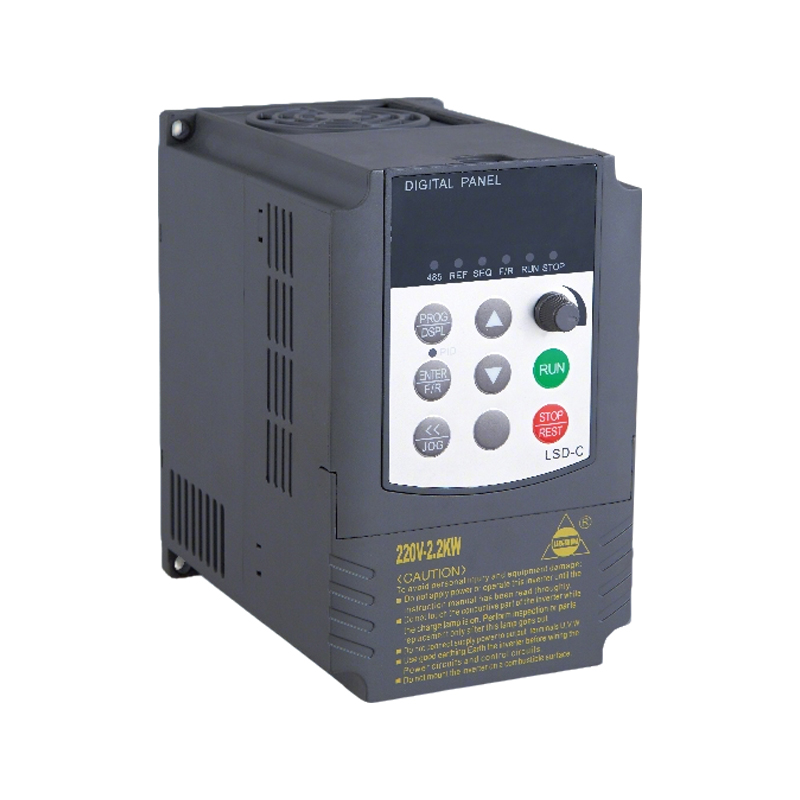
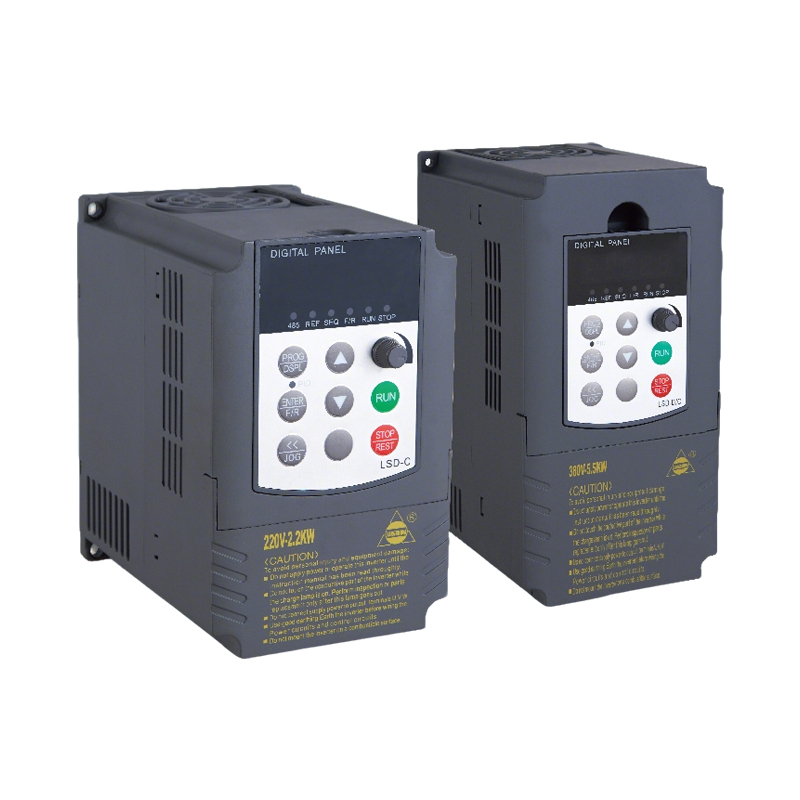
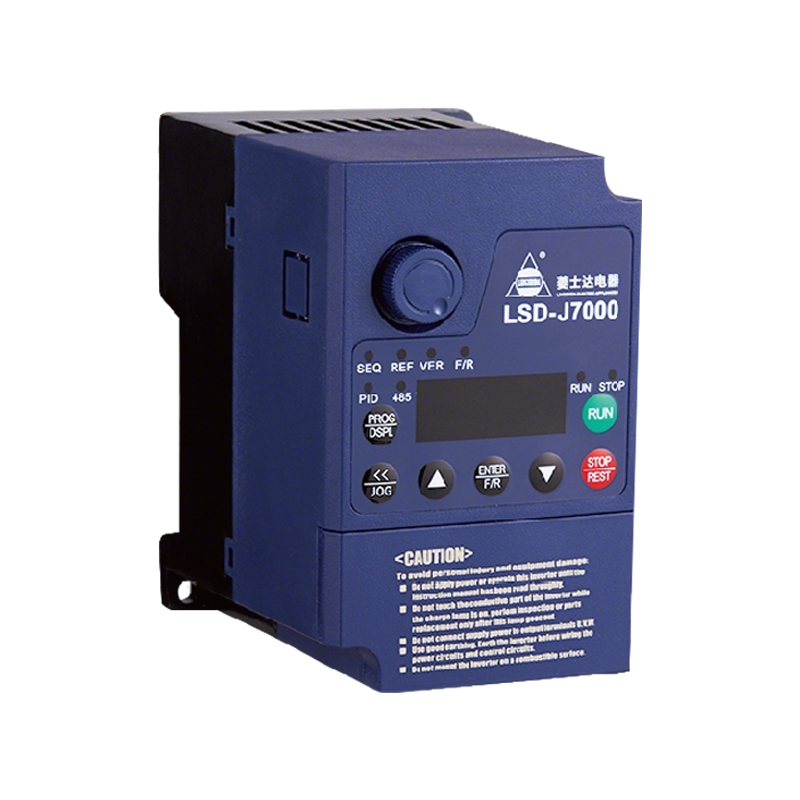
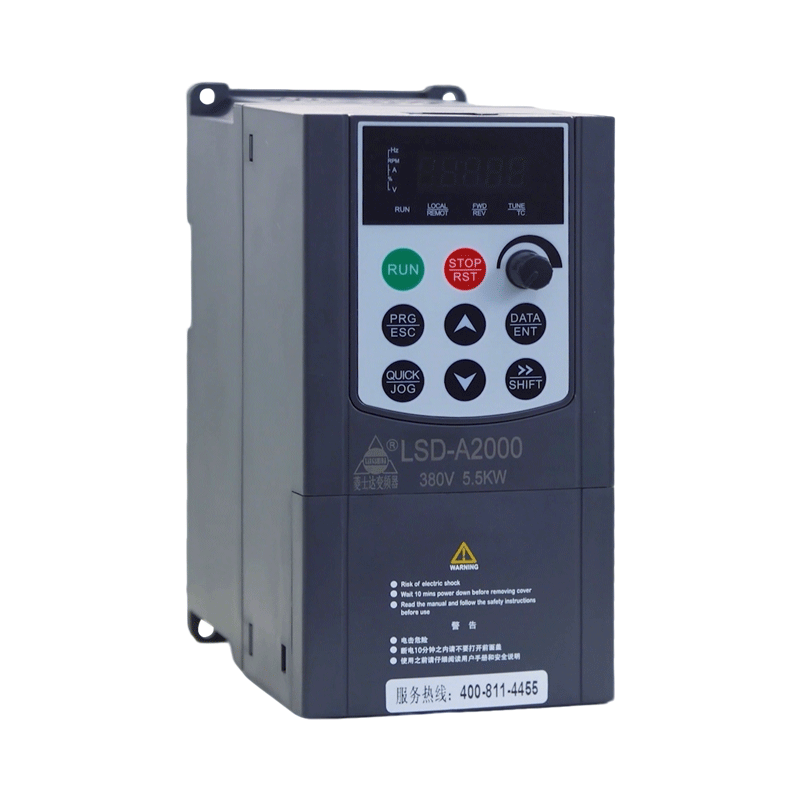
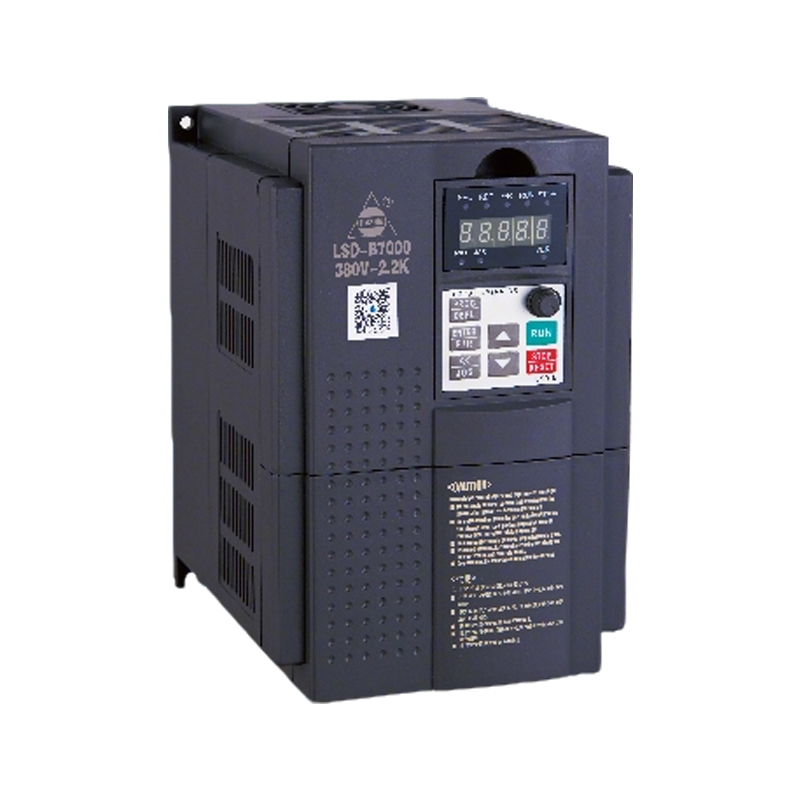

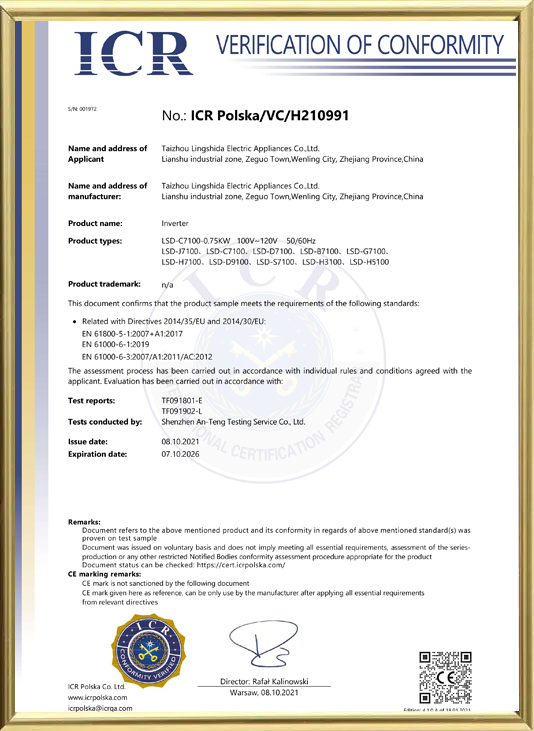
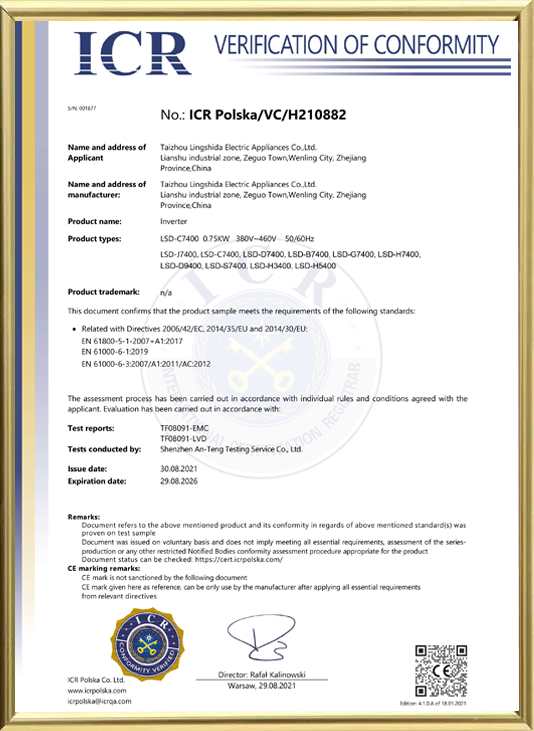
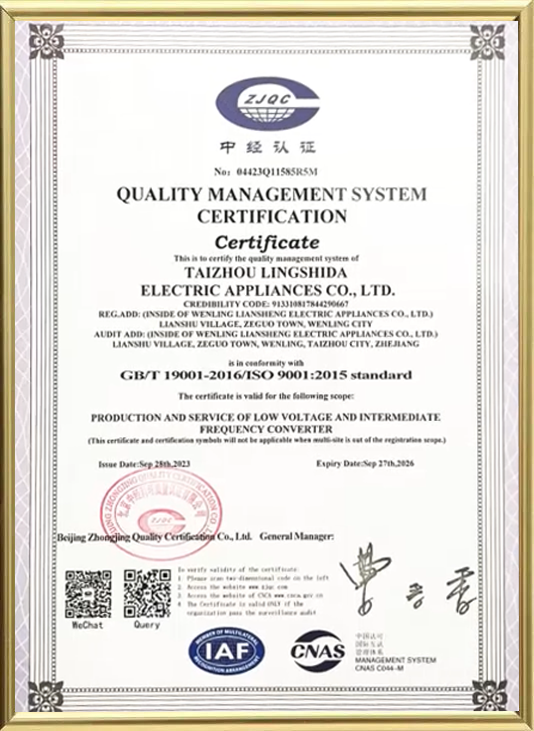
Zhejiang Taizhou Lingshida Technology Co., Ltd. relies on its own scientific research capabilities and incorporates world-leading frequency conversion technologies. Adhering to the business philosophy of "surviving on quality and developing through credibility," the company continuously innovates and refines its LSD series of frequency converters.
Lingshida frequency converters are market-oriented, directly serving customers with high-quality products and exceptional value-added services. The company has established sales and service networks across the country. We welcome manufacturers, users, and friends from all sectors of the industrial control field to visit, provide guidance, and discuss orders for frequency converters tailored to various specialized industries.
A mechanical reduction variable frequency speed controller is a motor control device that combines a mechanical reduction mechanism with variable frequency speed control technology. It uses a frequency converter to adjust the motor speed, and then utilizes a mechanical reduction mechanism to achieve a wider range of stable output speeds and torques. Its features include reliable structure, high output torque, and strong load adaptability, especially excelling in low-speed, high-torque applications. This speed controller effectively reduces motor stress, improves system efficiency and lifespan, and is suitable for conveying machinery, packaging equipment, mixing equipment, and various medium-to-low speed heavy-duty machinery, providing a stable and flexible power control solution for industrial automation.
Product Application Industries:
Machining centers, large-scale complete sets of equipment, plastic machinery, textiles, printing, copper processing, dyeing and finishing, packaging, woodworking machinery, and other industries.
Product Technical Features:
1. Uses a 32-bit motor CPU with high frequency output accuracy and a resolution of 0.01Hz.
2. Built-in simple PLC and PID control functions.
3. Built-in RS485 communication interface, using the international standard MODBUS bus control protocol.
4. Features vector control mode and V/F control mode, suitable for various operating conditions.
5. Rated torque output at low speed (0.2Hz), and can output 150% of the rated torque at startup.
6. Features automatic voltage adjustment and instantaneous power failure frequency tracking startup.
7. Features a multi-segment speed control function and an adjustable carrier frequency.
8. Provides multiple fault protection functions, including overvoltage, undervoltage, overheating, low temperature, overcurrent, overload, and phase loss.
9. Strong anti-interference ability, easily enabling remote control.
10. Features a motor parameter self-learning function.